From a Mother’s Heart, a Coach’s Pen: The ADHD Journey
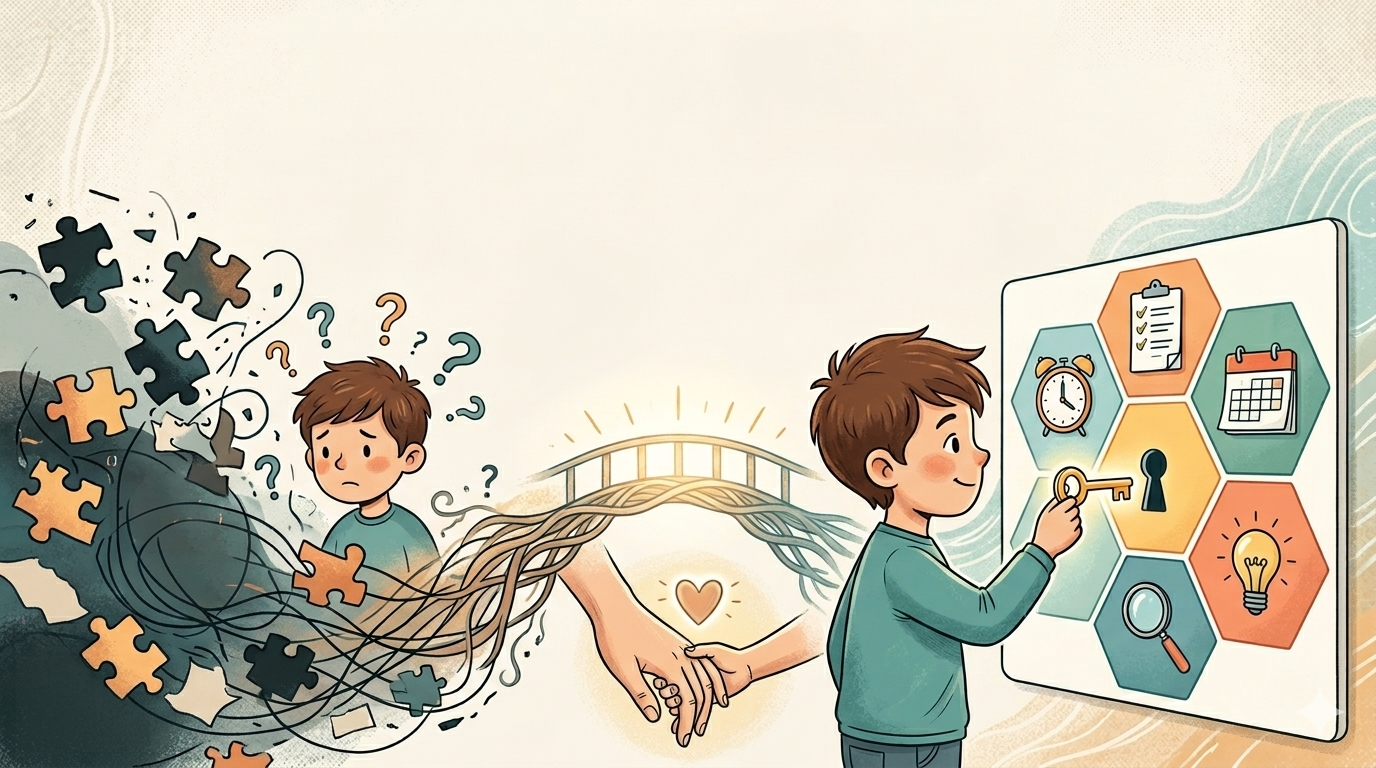
An ADHD (Attention Deficit Hyperactivity Disorder) diagnosis is a turning point for many families. Understanding why your child exhibits certain behaviors brings relief for both parent and child. Yet the journey after diagnosis is not only about medical treatment. Emotional support, structured routines, and discovering the child’s strengths are the cornerstones of successful ADHD management.
As a mother and coach, the most important lesson I’ve learned while working with children with ADHD is this: ADHD is not the child’s identity. It means the child’s brain works differently. Hyperactivity, impulsivity, and inattention can be challenges, but they can also be the source of strengths such as creativity, energy, and spontaneity.
**The Emotional Process After Diagnosis**
After an ADHD diagnosis, parents often face complex emotions. Guilt, worry, hope, and sometimes relief. These feelings are completely normal. What matters is accepting these emotions and developing a compassionate attitude toward your child. Your child observes your reaction and builds their own attitude toward their ADHD from those observations.
Tell your child: “Your brain works differently, and that’s completely okay. I love you, exactly as you are. We’ll walk this journey together.”
**Structuring Routines: Freedom Within Order**
Children with ADHD benefit greatly from structured routines. But this doesn’t mean a rigid, oppressive environment. On the contrary, a clear and predictable structure gives the child a sense of security and freedom.
Define core activities such as the morning routine, study time, mealtime, and bedtime. Visual calendars, checklists, and timers help the child manage time. For example, a clear structure like “We get up at 7:30, have breakfast at 7:45, leave for school at 8:15” lets the child know what to expect.
However, there must also be flexibility within the routine. You can adapt activities to the child’s interests and combine play with learning. For instance, they can play a game while learning math, or move around while reading.
**Managing Motivation: Awakening Intrinsic Motivation**
Children with ADHD generally benefit more from intrinsic motivation than from extrinsic motivation (rewards, punishments). What interests your child? Art, music, sports, nature, technology? Use these interests as a tool for learning and growth.
For example, if the child is interested in football, they can read books about football, study players’ statistics, or analyze football games. This way, the child’s natural interest boosts their motivation to learn.
Appreciate their achievements, no matter how small. Specific and sincere praise like “You managed to focus for 15 minutes today, that’s wonderful!” increases the child’s self-confidence.
**Discovering the Child’s Strengths**
Children with ADHD are often creative, curious, energetic individuals with a high capacity for empathy. Hyperactivity can mean success in physical activities. Impulsivity can translate into quick decision-making and risk-taking ability. Inattention can come together with hyperfocus (deep focus on areas of interest).
Identify your child’s strengths and create opportunities to develop them. Sports, art, music, writing, coding, social activities — explore the areas that will bring out the child’s talents.
The child feeling successful and capable is the most important part of ADHD management. There are challenges, yes. But the child’s potential is limitless.
**Professional Support and Coaching**
Medical treatment (medication, therapy) is important, but coaching support also plays a critical role. A coach helps the child and family develop strategies to cope with ADHD. Coaching increases the child’s self-awareness, strengthens problem-solving skills, and improves family communication.
In coaching sessions, the child sets their own goals, identifies challenges, and discovers solutions. This process empowers the child and supports their independence.
**Conclusion: The Journey Continues**
The ADHD journey is not a destination, but a way of life. Some days will be easy, some days hard. But if you support your child with love, understanding, and patience, they will grow into a self-accepting, strong, and successful individual.
Remember: children with ADHD are individuals who think, feel, and move differently. This difference is not a flaw, but a trait. Embracing this trait will become your child’s greatest strength.